
Living Kidney Donation
A healthy person may be able to donate one kidney to someone in need after completing the required medical assessments.
Medical Evaluation
Every potential donor undergoes detailed medical and psychological evaluation to help protect the donor and recipient.
Support a Patient
Help kidney patients understand their treatment options and connect with transplant professionals and support services.
Emotional Support
Donation can be an emotional experience. Donors may receive psychological support and counselling during the evaluation and recovery process.
Who Can Become a Living Kidney Donor?
Any individual that have interest in living kidney donation must undergo a mandatory examination by our professional transplant team. The purpose of the examination is to protect the donor's health and make sure donation is medically appropriate.
BOOK APPOINTMENTAbout Us
Here at Dr. J. Mary Nancy Healthcare Centre, our process is carefully structured to protect the health and wellbeing of the potential donor while determining whether donation is suitable. We also assure you a qualified living donor coordinator or transplant specialist who can answer questions about your individual situation and communicate as necessary.

Kidney Donation Guide
Choosing to become a living kidney donor is a major personal decision. Understanding the evaluation, surgery, recovery, possible risks and long-term follow-up can help you make an informed decision with your transplant team.
- Living Kidney Donation: A living donor may donate one kidney to a suitable recipient after completing the required medical evaluation.
- Donor Eligibility: Each potential donor is assessed individually to determine whether donation can be performed safely.
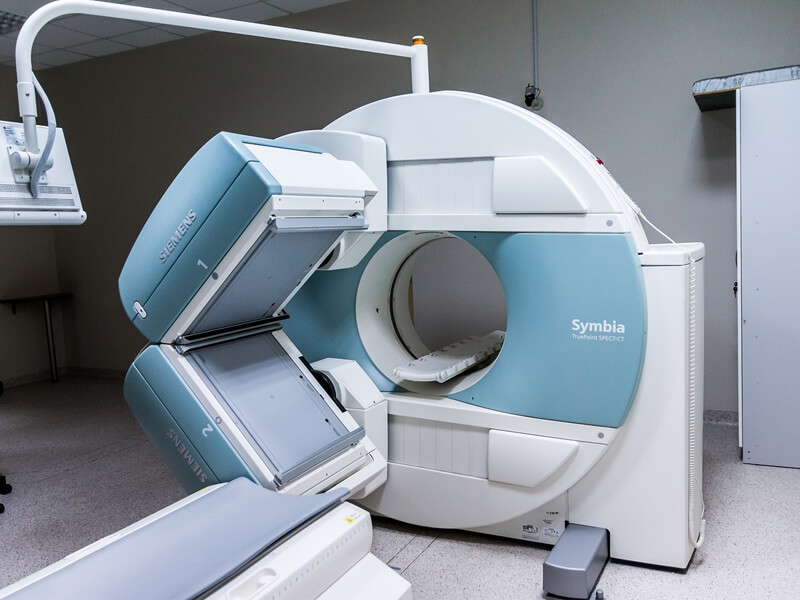
- Medical Assessment: Testing can include blood and urine tests, blood pressure checks, kidney-function tests and scans.
- Matching & Compatibility: Medical teams assess compatibility between donors and recipients. If a direct match is not possible, paired donation may be an option.
Kidney Donation Surgery
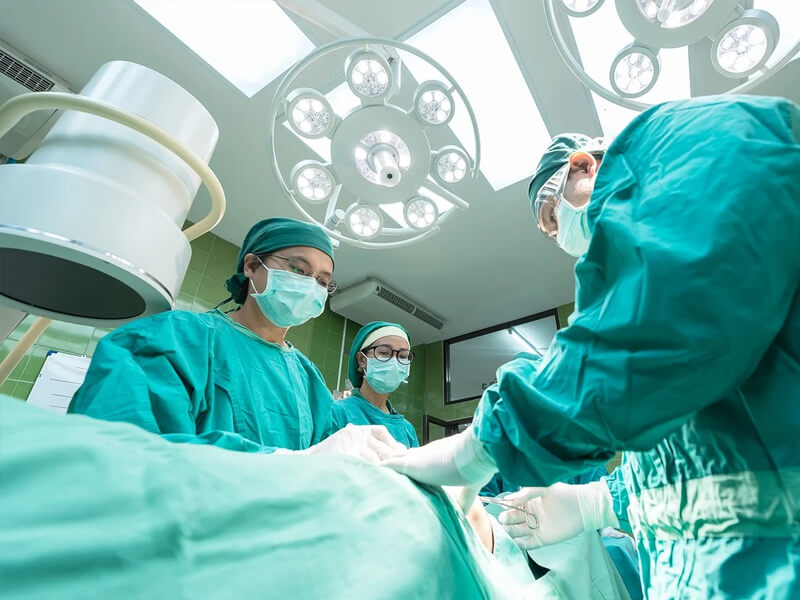
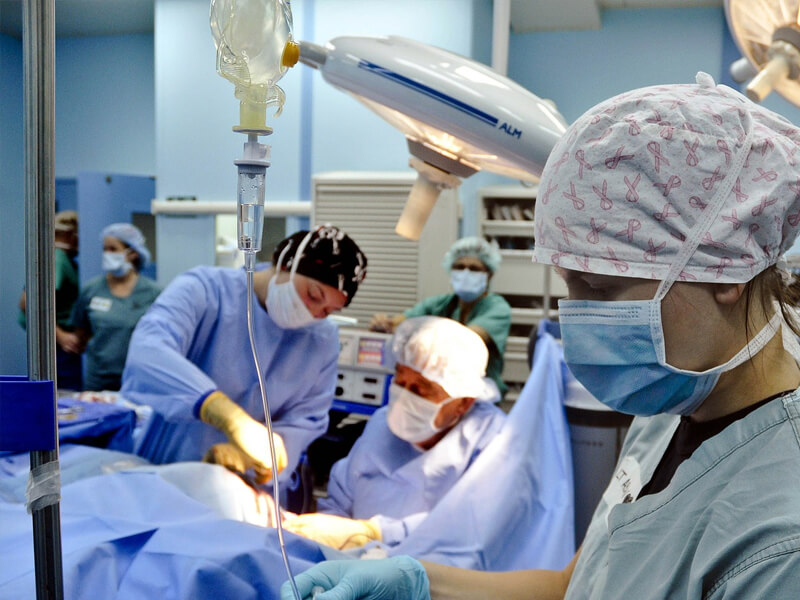
Kidney removal is performed by a specialist surgical team. Many living donor operations use minimally invasive or keyhole techniques.
Recovery & Aftercare
Donors need time to recover after surgery and receive follow-up care to monitor their health and kidney function.
Understanding the Risks
As with any major operation, kidney donation has potential risks. These should be discussed carefully with your transplant team.
Life After Donation
Most suitable donors can live healthy and active lives with one kidney, with appropriate long-term medical follow-up.
Services
Our major services are listed below but not limited to these.
PREMIUM FACILITIES
In this Healthcare Centre, we have the best and world-class facility you can envisage.
DETAILED SPECIALIST
It is our responsibility and that of our professionals to be on standby and ready to make you feel better even in delicate cases.
INFORMATION CONFIDENTIALITY
We ensure the safety and confidentiality of our patient's record and privacy information.
Give the Gift of Life Through Kidney Donation
Considering becoming a living kidney donor? Your decision may give someone with kidney failure the opportunity to receive a life-changing transplant. Learn about the donation process, donor assessment, eligibility and how you can help give someone a second chance at life.
Every potential donor receives an individual medical assessment. Speak with a qualified transplant team to understand whether kidney donation may be suitable for you.





Frequently Asked Questioins
Considering kidney donation? Find answers to common questions about living donation, donor assessment, surgery, recovery, compatibility and life after donation.
-
What is living kidney donation?
Living kidney donation is when a healthy person donates one of their kidneys to someone who needs a kidney transplant. A person can generally live with one healthy kidney, but every potential donor must undergo a detailed medical assessment before donation can be considered.
-
Who can become a kidney donor?
Not everyone who wants to donate will be medically suitable. Potential donors are assessed individually. Factors such as overall health, kidney function, medical history, blood pressure and other health conditions may be considered by the transplant team.
-
Can I donate a kidney to a family member?
Potentially. Living kidney donation may be possible between relatives, partners, friends or other suitable donors. The donor and recipient must undergo the appropriate medical and compatibility assessments.
-
Can I donate to someone I do not know?
In some donation systems, non-directed living donation may be possible. The rules and requirements vary by country and transplant programme. Speak with an authorized transplant centre to understand the options available to you.
-
What tests are required before donating a kidney?
The evaluation can include blood tests, urine tests, blood pressure measurements, kidney-function tests, imaging scans and other medical assessments. Potential donors may also receive psychological or social evaluation as part of the donation process.
-
What happens if I am not a match?
If a donor is not directly compatible with the intended recipient, the transplant team may discuss other options. Depending on the country and programme, kidney paired donation may be one possible option.